Armenia · page 6
From Wikipedia, «Armenia», revision of the 2026-09-01 dump, CC BY-SA 4.0. The trees and pragmatics of these pages, Mova's parse of that text, are CC BY-SA 4.0 too.
← previous 1 … 5 6
In the early 1990s, Armenia made substantial changes to the centralised and regimented Soviet system.[275]484 Because at least 98% of students in higher education were Armenian, curricula began to emphasise Armenian history and culture.[275]485 Armenian became the dominant language of instruction, and many schools that had taught in Russian closed by the end of 1991.[275]486 Russian was still widely taught, however, as a second language.[275]487
In 2014, the National Programme for Educational Excellence embarked on creating an internationally competitive and academically rigorous alternative educational programme (the Araratian Baccalaureate) for Armenian schools and increasing the importance and status of the teacher's role in society.[276][277]488
The Ministry of Education and Science is responsible for regulation of the sector.489 Primary and secondary education in Armenia is free, and completion of secondary school is compulsory.[275]490 Higher education in Armenia is harmonized with the Bologna process and the European Higher Education Area.491 The Armenian National Academy of Sciences plays an important role in postgraduate education.492
Schooling takes 12 years in Armenia and breaks down into primary (4 years), middle (5 years) and high school (3 years).493 Schools engage a 10-grade mark system.494 The government also supports Armenian schools outside of Armenia.495
Gross enrollment in tertiary education at 44% in 2015 surpassed peer countries of the South Caucasus but remained below the average for Europe and Central Asia.[278]496 However, public spending per student in tertiary education in GDP-ratio terms is one of the lowest for post-USSR countries (for which data was available).[279]497
Health
Main article: Health in Armenia
Healthcare in Armenia has undergone significant changes since independence in 1991.498 Initially, the Soviet healthcare system was highly centralized and provided free medical assistance to all citizens.499 After independence, the healthcare system underwent reform and primary care services have been free of charge since 2006.500 Despite improvements in accessibility and the implementation of an Open Enrollment programme, out-of-pocket health expenditures remain high and corruption among healthcare professionals remains a concern.[280]501 In 2019, healthcare became free for all citizens under the age of 18 and the number of people receiving free or subsidized care under the Basic Benefits Package was increased.[281][282]502
After a significant decline in earlier decades, crude[283] birth rates in Armenia slightly increased from 13.0 (per 1000 people) in the year 1998 to 14.2 in 2015;[284] this timeframe also showed a similar trajectory in the crude death rate, which grew from 8.6 to 9.3.[285]503 Life expectancy at birth at 74.8 years was the 4th-highest among the Post-Soviet states in 2014.[286]504
Culture
Main article: Culture of Armenia
Architecture
Main article: Armenian architecture
Armenian architecture, as it originates in an earthquake-prone region, tends to be built with this hazard in mind.505 Armenian buildings tend to be rather low-slung and thick-walled in design.506 Armenia has abundant resources of stone, and relatively few forests, so stone was nearly always used throughout for large buildings.507 Small buildings and most residential buildings were normally constructed of lighter materials, and hardly any early examples survive, as at the abandoned medieval capital of Ani.[287]508
Music and dance
Main article: Music of Armenia
The duduk, dhol, zurna, and kanun are common instruments in Armenian folk music.509 The 18th century bard Sayat Nova influenced the development of Armenian folk music.510 Armenian chant is a common form of religious music in Armenia.511 Under Soviet rule, the Armenian composer Aram Khatchaturian became internationally known for his music, including the "Sabre Dance" from his composition for the ballet Gayane.512
Art
Main article: Armenian art
See also: List of museums in Armenia
Yerevan Vernissage (arts and crafts market), close to Republic Square, bustles with hundreds of vendors selling a variety of crafts on weekends and Wednesdays (though the selection is much reduced mid-week).513 The market offers woodcarving, antiques, fine lace, and the hand-knotted wool carpets and kilims that are a Caucasus speciality.514 Obsidian, which is found locally, is crafted into assortment of jewellery and ornamental objects.515 Armenian gold smithery enjoys a long tradition, populating one corner of the market with a selection of gold items.516 Soviet relics and souvenirs of recent Russian manufacture – nesting dolls, watches, enamel boxes and so on – are also available at the Vernissage.517
Across from the Opera House, a popular art market fills another city park on the weekends.518 Armenia's long history as a crossroads of the ancient world has resulted in a landscape with numerous archaeological sites to explore.519 Medieval, Iron Age, Bronze Age and even Stone Age sites are all within a few hours' drive from the city.520 All but the most spectacular remain virtually undiscovered, allowing visitors to view churches and fortresses in their original settings.521
The National Art Gallery in Yerevan has more than 16,000 works that date back to the Middle Ages, which indicate Armenia's rich tales and stories of the times.522 It houses paintings by many European masters as well.523 The Modern Art Museum, the Children's Picture Gallery, and the Martiros Saryan Museum are only a few of the other noteworthy collections of fine art on display in Yerevan.524 Moreover, many private galleries are in operation, with many more opening every year, featuring rotating exhibitions and sales.525
On 13 April 2013, the Armenian government announced a change in law to allow freedom of panorama for 3D works of art.[288]526
Media
Main article: Media of Armenia
Television, magazines, and newspapers are all operated by both state-owned and for-profit corporations which depend on advertising, subscription, and other sales-related revenues.527 The Constitution of Armenia guarantees freedom of speech and Armenia ranks 61st in the 2020 Press Freedom Index report compiled by Reporters Without Borders, between Georgia and Poland.[289]528 Armenia's press freedom rose considerably following the 2018 Velvet Revolution.[290]529
As of 2020, the biggest issue facing press freedom in Armenia is judicial harassment of journalists, specifically defamation suits and attacks on journalists' right to protect sources,[291] as well as excessive responses to combat disinformation spread by social media users.530 Reporters Without Borders also cites continued concerns about lack of transparency regarding ownership of media outlets.[289]531
Cinema
Main article: Cinema of Armenia
Cinema in Armenia was officially established on 16 April 1923, with the founding of the Armenian State Committee of Cinema by a decree of the Soviet Armenian government.[292]532
Prior to this, the first Armenian film, titled "Haykakan Sinema", was produced in 1912 in Cairo corpus by Armenian-Egyptian publisher Vahan Zartarian and premiered on 13 March 1913.[293]533
In March 1924 the first Armenian film studio, Armenfilm, was established in Yerevan corpus, beginning with the documentary film "Soviet Armenia".534
"Namus" directed by Hamo Beknazarian in 1925, was the first Armenian silent black-and-white film.[294]535 Based on Alexander Shirvanzade's 1885 novel, it portrays the tragic fate of two lovers whose engagement is thwarted due to violations of "namus" (a tradition of honor), leading the girl's father to marry her to another man.[295]536
The first Armenian sound film, "Pepo," was directed by Hamo Beknazarian in 1935.[296][297]537
Sport
Main article: Sport in Armenia, Chess in Armenia
Competitively, Armenia has been successful in chess, weightlifting and wrestling at the international level.538 Armenia is also an active member of the international sports community, with full membership in the Union of European Football Associations (UEFA) and International Ice Hockey Federation (IIHF).539 It also hosts the Pan-Armenian Games.540
Prior to 1992, Armenians participated in the Olympics representing the USSR.541 As part of the Soviet Union, Armenia was very successful, winning plenty of medals and helping the USSR win the medal standings at the Olympics on numerous occasions.542 The first medal won by an Armenian in modern Olympic history was by Hrant Shahinyan (sometimes spelled as Grant Shaginyan), who won two golds and two silvers in gymnastics at the 1952 Summer Olympics in Helsinki.543 To highlight the level of success of Armenians in the Olympics, Shahinyan was quoted as saying:544
"Armenian sportsmen had to outdo their opponents by several notches for the shot at being accepted into any Soviet team.545 But those difficulties notwithstanding, 90 percent of Armenian athletes on Soviet Olympic teams came back with medals."[298]546
Armenia first participated at the 1992 Summer Olympics in Barcelona under a unified CIS team, where it was very successful, winning three golds and one silver in weightlifting, wrestling and sharp shooting, despite only having five athletes.547 Since the 1994 Winter Olympics in Lillehammer, Armenia has participated as an independent nation.548
Armenia participates in the Summer Olympic Games in boxing, wrestling, weightlifting, judo, gymnastics, track and field, diving, swimming and sharp shooting.549 It also participates in the Winter Olympic Games in alpine skiing, cross-country skiing and figure skating.550
Football is also popular in Armenia.551 The most successful team was the FC Ararat Yerevan team of the 1970s who won the Soviet Cup in 1973 and 1975 and the Soviet Top League in 1973.552 The latter achievement saw FC Ararat gain entry to the European Cup where – despite a home victory in the second leg – they lost on aggregate at the quarter-final stage to eventual winner FC Bayern Munich.553 Armenia competed internationally as part of the USSR national football team until the Armenian national football team was formed in 1992 after the split of the Soviet Union.554 Armenia have never qualified for a major tournament although recent improvements saw the team to achieve 44th position in the FIFA World Rankings in September 2011.555 The national team is controlled by the Football Federation of Armenia.556 The Armenian Premier League is the highest level football competition in Armenia, and has been dominated by FC Pyunik in recent seasons.557 The league currently consists of eight teams and relegates to the Armenian First League.558
Armenia and the Armenian diaspora have produced many successful footballers, including Henrikh Mkhitaryan, Youri Djorkaeff, Alain Boghossian, Andranik Eskandarian, Andranik Teymourian, Edgar Manucharyan, Khoren Oganesian and Nikita Simonyan.559 Djokaeff and Boghossian won the 1998 FIFA World Cup with France, Teymourian competed in the 2006 World Cup for Iran and Manucharyan played in the Dutch Eredivisie for Ajax.560 Mkhitaryan has been one of the most successful Armenian footballers in recent years, playing for international clubs such as Borussia Dortmund, Manchester United, Arsenal, A.S.561 Roma and currently for Inter Milan.[299]562
Wrestling has been a successful sport in the Olympics for Armenia.563 At the 1996 Summer Olympics in Atlanta, Armen Nazaryan won the gold in the Men's Greco-Roman Flyweight (52 kg) category and Armen Mkrtchyan won the silver in Men's Freestyle Paperweight (48 kg) category, securing Armenia's first two medals in its Olympic history.564
Traditional Armenian wrestling is called Kokh and practised in traditional garb; it was one of the influences included in the Soviet combat sport of Sambo, which is also very popular.[300]565
The government of Armenia budgets about $2.8 million annually for sports and gives it to the National Committee of Physical Education and Sports, the body that determines which programmes should benefit from the funds.[298]566
Due to the lack of success lately on the international level, in recent years, Armenia has rebuilt 16 Soviet-era sports schools and furnished them with new equipment for a total cost of $1.9 million.567 The rebuilding of the regional schools was financed by the Armenian government.568 $9.3 million has been invested in the resort town of Tsaghkadzor to improve the winter sports infrastructure because of dismal performances at recent winter sports events.569 In 2005, a cycling centre was opened in Yerevan corpus with the aim of helping produce world class Armenian cyclists.570 The government has also promised a cash reward of $700,000 to Armenians who win a gold medal at the Olympics.[298]571
Armenia has also been very successful in chess, winning the World Champion in 2011 and the World Chess Olympiad on three occasions.[301]572
See also
Bibliography
- Badalyan Riegg, Stephen (2020). "573 Russia's Entangled Embrace: The Tsarist Empire and the Armenians, 1801–1914".574 Cornell University Press.575
- Bournoutian, George A. (2018). "576 Armenia and Imperial Decline: The Yerevan Province, 1900–1914".577 Routledge.578
- Bournoutian, George A. (2006). "579 A Concise History of the Armenian People".580 Mazda.581
- "The Heritage of Armenian Literature: From the Oral Tradition to the Golden Age".582 Wayne State University Press.583 2000.584
- Hewsen, Robert H. (2001). "585 Armenia: A Historical Atlas".586 University of Chicago Press.587
- Kévorkian, Raymond (2011). "588 The Armenian Genocide: A Complete History".589 I.B.Tauris.590
- Panossian, Razmik (2006). "591 The Armenians: From Kings and Priests to Merchants and Commissars".592 Columbia University Press.593
- Payaslian, Simon (2007). "594 The History of Armenia: From the Origins to the Present".595 Palgrave Macmillan.596
- Saparov, Arsène (2015). "597 From Conflict to Autonomy in the Caucasus: The Soviet Union and the Making of Abkhazia, South Ossetia and Nagorno Karabakh".598 Routledge.599
- Shakarian, Pietro A. (2025). "600 Anastas Mikoyan: An Armenian Reformer in Khrushchev's Kremlin".601 Indiana University Press.602
- Suny, Ronald Grigor (1993). "603 Looking toward Ararat: Armenia in Modern History".604 Indiana University Press.605
- Walker, Christopher J. (1990). "606 Armenia: The Survival of a Nation".607 St. Martin's Press.608
External links
Key Development Forecasts for Armenia from International Futures
← previous 1 … 5 6
References
1. "Constitution of Armenia, Article 20". president.am.
2. "Armenia". The World Factbook. Central Intelligence Agency. 25 March 2025.
3. "PERMANENT POPULATION NUMBER OF THE REPUBLIC OF ARMENIA as of 1 April in 2026 (Armenian, Russian)".
4. "World Economic Outlook (WEO) database, April 2026". International Monetary Fund. 14 April 2026.
5. "Gini index - Armenia". World Bank.
6. "Human Development Report 2025". United Nations Development Programme. 6 May 2025.
7. "Armenia ." Dictionary.com Unabridged. 2015.
8. /ɑrˈmiːniə/ ar-MEE-nee-ə[7]; Հայաստան hɑjɑsˈtɑn
9. Հայաստանի Հանրապետություն, hɑjɑstɑˈni hɑnɾɑpɛtutʰˈjun
10. "Armenia". Oxford Reference.
11. "Caucasus". www.britannica.com. 18 March 2025.
12. Armenia is widely accepted as part of West Asia geographically, although other definitions place it either fully in Europe or across Europe and Asia.[11]
13. "The Oxford Encyclopedia of Economic History". Oxford University Press. 2003.
14. Mallory, J. P.; Adams, Douglas Q. (1997). "Encyclopedia of Indo-European culture". Fitzroy Dearborn.
15. Robert Drews (2017). Militarism and the Indo-Europeanizing of Europe. Routledge. ISBN 978-0-367-88600-4. p. 228: "The vernacular of the Great Kingdom of Biainili was quite certainly Armenian. The Armenian language was obviously the region's vernacular in the fifth century BC, when Persian commanders and Greek writers paired it with Phrygian. That it as brought into the region between the early sixth and the early fifth century BC, and that it immediately obliterated whatever else had been spoken there, can hardly be supposed; [...] Because Proto-Armenian speakers seem to have lived not far from Hurrian speakers our conclusion must be that the Armenian language of Mesrop Mashtots was descended from an Indo-European language that had been spoken in southern Caucasia in the Bronze Age."
16. Garsoïan, Nina G. (1997). "The Armenian People from Ancient to Modern Times". St. Martin's Press.
17. Stringer, Martin D. (2005). "A Sociological History of Christian Worship". Cambridge University Press.
18. Grousset, René (1947). "Histoire de l'Arménie". Payot.. Estimated dates vary from 284 to 314. Garsoïan (op.cit. p. 82), following the research of Ananian, favours the latter.
19. Smaller nations that have claimed a prior official adoption of Christianity include Osroene, the Silures, and San Marino. See Timeline of official adoptions of Christianity.
20. "Constitution of Armenia - Library - The President of Armenia". president.am.
21. The republic has separation of church and state.
22. On 12 June 2024, Armenia announced that it would formally withdraw from the CSTO at a later unspecified date
23. Acharian, Hrachia (1946). "Hayocʿ anjnanunneri baṙaran" [Dictionary of Personal Names of Armenians]. Yerevan University Press.
24. Ագաթանգեղոս §§ 13 (ի Հայաստան աշխարհէս), 16 (Հայաստան աշխարհիս 2x, ի Հայաստան աշխարհիս), 35 (Հայաստան աշխարհին), 160 (Հայաստան աշխարհիս), 249 (Հայաստան աշխարհիս), 715 (Հայաստան աշխարհիս), 776 (Հայաստան աշխարհին), 784 (Հայաստան աշխարհին), 796 (ի մէջ Հայաստան աշխարհի), 808 (հասանէին ի Հայաստան աշխարհն)։
25. Ագաթանգեղոս § 885 (ի Հայաստան երկրին)
26. Փաւստոս Բուզանդ 1883=1984, էջ 1 (Հայաստան աշխարհին)
27. Փաւստոս Բուզանդ 1883=1984, 4.բ, էջ 56 (Հայաստան երկրին)
28. 904=1985, էջ 2 (Հայաստան աշխարհիս), 110 (կանայս ի Հայաստան աշխարհիս)
29. Կորիւն 1994, էջ 83 (Հայաստան աշխարհի), 93 (Հայաստան աշխարհին), 103 (ի Հայաստան աշխարհին), 120 (ի Հայաստան աշխարհէս)
30. ժը (սեռ. Հայաստանեայց, բացառ. ի Հայաստանեայց), տես Աբգարյան 1979, էջ 66, 90
31. Panossian 2006, p. 106.
32. Rafael Ishkhanyan, "Illustrated History of Armenia," Yerevan, 1989
33. Elisabeth Bauer. Armenia: Past and Present (1981), p. 49
34. "Χαλύβοισι πρὸς νότον Ἀρμένιοι ὁμουρέουσι (The Armenians border on the Chalybes to the south)". Chahin, Mark (2001). "The Kingdom of Armenia". Routledge.
35. Xenophon. "Anabasis".
36. Ibp Inc (1 September 2013). "Armenia Country Study Guide Volume 1 Strategic Information and Developments". International Business Publications, USA.
37. Archi, Alfonso (2016). "Egypt or Iran in the Ebla Texts?". Orientalia.
38. "Linguistic supplement to Damgaard et al. 2018: Early Indo-European languages, Anatolian, Tocharian and Indo-Iranian". Zenodo. 9 May 2018.
39. Armen Petrosyan. The Indo-European and Ancient Near Eastern Sources of the Armenian Epic. Journal of Indo-European Studies. Institute for the Study of Man. 2002. p. 184. link
40. Armen Petrosyan. The Indo-European and Ancient Near Eastern Sources of the Armenian Epic. Journal of Indo-European Studies. Institute for the Study of Man. 2002. pp. 166–167. link
41. Moses of Chorene,The History of Armenia , Book 1, Ch. 12
42. History of Armenia by Father Michael Chamich from B.C. 2247 to the Year of Christ 1780, or 1229 of the Armenian era, Bishop's College Press, Calcutta, 1827, p. 19: "[Aram] was the first to raise the Armenian name to any degree of renown; so that contemporary nations... called them the Aramians, or followers of Aram, a name which has been corrupted into Armenians; and the country they inhabited, by universal consent, took the name of Armenia."
43. "Charles, R.H. (1913). The Book of Jubilees 9:5 from The Apocrypha and Pseudepigrapha of the Old Testament. Clarendon Press". www.pseudepigrapha.com.
44. "Charles, R.H. (1913). The Book of Jubilees 8:21 from The Apocrypha and Pseudepigrapha of the Old Testament. Clarendon Press.". digitalcommons.andrews.edu.
45. Josephus, Flavius. "Antiquities of the Jews".
46. Dolukhanov, Pavel; Aslanian, Stepan; Kolpakov, Evgeny; Belyaeva, Elena (2004). "Prehistoric Sites in Northern Armenia". Antiquity.
47. Adler, D. S.; Wilkinson, K. N.; Blockley, S.; Mark, D. F.; Pinhasi, R.; Schmidt-Magee, B. A.; Nahapetyan, S.; Mallol, C.; Berna, F. (26 September 2014). "Early Levallois technology and the Lower to Middle Paleolithic transition in the Southern Caucasus". Science.
48. "325,000 Year Old Stone Age Site In Armenia Leads To Human Technology Rethink". 28 September 2014.
49. "A View from the Highlands: The History of Shengavit, Armenia in the 4th and 3rd Millennia BCE". The Shelby White and Leon Levy Program for Archaeological Publications.
50. "10 World's Oldest Things from Armenia". 17 December 2014.
51. "Armenian cave yields what may be world's oldest leather shoe". CNN. 9 June 2010.
52. "5,900-year-old women's skirt discovered in Armenian cave". News Armenia. 13 September 2011.
53. "Earliest Known Winery Found in Armenian Cave". National Geographic. 12 January 2011.
54. Greppin, John A. C.; Diakonoff, I. M. (1991). "Some Effects of the Hurro-Urartian People and Their Languages upon the Earliest Armenians". Journal of the American Oriental Society.
55. Joan Aruz, Kim Benzel, Jean M. Evans, Beyond Babylon: Art, Trade, and Diplomacy in the Second Millennium B.C. Metropolitan Museum of Art (New York, N.Y.)link (2008) pp. 92
56. Kossian, Aram V. (1997). "The Mushki Problem Reconsidered". pp. 254
57. Peter I. Bogucki and Pam J. Crabtree Ancient Europe, 8000 B.C. to A.D. 1000: An Encyclopedia of the Barbarian World. Charles Scribner's Sons, 2004 ISBN 978-0-684-80668-6
58. Paul Thieme, The 'Aryan' Gods of the Mitanni Treaties. JAOS 80, 1960, 301–17
59. Petrosyan, Armen (2007). "Towards the Origins of the Armenian People: The Problem of Identification of the Proto-Armenians: A Critical Review (in English)". Journal for the Society of Armenian Studies.
60. Kurkjian, Vahan (1958). "History of Armenia". Armenian General Benevolent Union.
61. "Armenian Soviet Encyclopedia". Armenian Encyclopedia. 1987.
62. Movsisyan, Artak (2000). "Sacred Highland: Armenia in the spiritual conception of the Near East". Yerevan.
63. Kavoukjian, Martiros (1982). "The Genesis of Armenian People". Montreal.
64. Bournoutian 2006, p. 12.
65. История Востока: в шести томах. Т. 1. Восток в древности / Отв. ред. В. А. Якобсен. — М.: Вост. лит., 1997. — 688 с. — ISBN 5-02-017936-1. Раздел «Закавказье и сопредельные страны в период эллинизма »
66. "Report on the Activities on the national standardization of the names of geographical objects of the Republic of Armenia". United Nations Group of Experts on Geographical Names.
67. Hewsen 2001, p. 34.
68. Svenska forskningsinstitutet i Istanbul (1993). "Aspects of Late Antiquity and Early Byzantium: Papers Read at a Colloquium Held at the Swedish Research Institute in Istanbul 31 May-5 June, 1992". Swedish Research Institute.
69. Joshua J. Mark. "Assyria". World History Encyclopedia.
70. Melton, J.G.; Baumann, M. (2010). "Religions of the World: A Comprehensive Encyclopedia of Beliefs and Practices [6 volumes]". Bloomsbury Publishing.
71. Hacikyan, Basmajian, Franchuk, Ouzounian , p. 75-76.
72. Walker 1990, p. 24.
73. Hacikyan, Basmajian, Franchuk, Ouzounian , p. 77-79.
74. Mary Boyce. Zoroastrians: Their Religious Beliefs and Practices Psychology Press, 2001 ISBN 0-415-23902-8 p. 84
75. Hacikyan, Basmajian, Franchuk, Ouzounian , p. 87.
76. Garsoïan, Nina G. (1997). "The Armenian People from Ancient to Modern Times". St. Martin's Press.
77. Panossian 2006, p. 47-48.
78. Canard, Cahen 1960.
79. Payaslian 2007, p. 52.
80. Holt, Peter Malcolm; Lambton, Ann Katharine Swynford; Lewis, Bernard (1977). "The Cambridge History of Islam".
81. Metropolitan Museum of Art (New York, N.Y.); N. Y.) Metropolitan Museum of Art (New York; Speros P. (jr.) Vryonis; Thomas F. Mathews; Jeffrey C. Anderson; Annemarie Weyl Carr; Henry Maguire; Robert G. Ousterhout; Ioli Kalavrezou (1997). "The Glory of Byzantium: Art and Culture of the Middle Byzantine Era, A.D. 843-1261". Metropolitan Museum of Art.
82. Ghazarian, J.G. (2000). "The Armenian Kingdom in Cilicia During the Crusades: The Integration of Cilician Armenians with the Latins, 1080-1393". Curzon.
83. Richard G. Hovannisian (11 February 2004). "The Armenian People from Ancient to Modern Times: Volume I: The Dynastic Periods: From Antiquity to the Fourteenth Century". Palgrave Macmillan US.
84. Richard G. Hovannisian (11 February 2004). "The Armenian People from Ancient to Modern Times: Volume I: The Dynastic Periods: From Antiquity to the Fourteenth Century". Palgrave Macmillan US.
85. Rayfield, Donald (2013). "Edge of Empires: A History of Georgia". Reaktion Books.
86. Ward, Steven R. (2014). "Immortal, Updated Edition: A Military History of Iran and Its Armed Forces". Georgetown University Press.
87. Herzig, Edmund; Kurkchiyan, Marina (2004). "The Armenians: Past and Present in the Making of National Identity". Routledge.
88. H. Nahavandi, Y. Bomati, Shah Abbas, empereur de Perse (1587–1629) (Perrin, Paris, 1998)
89. Hewsen 2001, p. 163-165.
90. Bournoutian, George A. (2021). "From the Kur to the Aras: A Military History of Russia's Move into the South Caucasus and the First Russo-Iranian War, 1801–1813". Brill.
91. Badalyan Riegg 2020, p. 55, 91.
92. Bournoutian 2018, p. 6-7.
93. Tsutsiev 2014, p. 15-17.
94. Panossian 2006, p. 120.
95. Badalyan Riegg 2020, p. 164.
96. Kévorkian 2011, p. 11.
97. Suny 1993, p. 99.
98. Kévorkian 2011, p. 67.
99. Walker 1990, p. 177.
100. Suny 1993, p. 100.
101. Ter Minassian, Anahide (1984). "Nationalism and Socialism in the Armenian Revolutionary Movement (1887–1912)". Zoryan Institute.
102. Kirakosian, J. S. (1972). "Hayastane michazkayin divanakitut'yan ew sovetakan artakin kaghakakanut'yan pastateghterum, 1828–1923" [Armenia in the documents of international diplomacy and Soviet foreign policy, 1828–1923]. Yerevan.
103. Kifner, John (9 April 2018). "Armenian Genocide of 1915: An Overview". New York Times.
104. Akçam, Taner (4 May 2023). "The Cambridge World History of Genocide". Cambridge University Press.
105. Walker 1990, p. 200-203.
106. Kieser, Hans-Lukas; Schaller, Dominik J. (2002). "Der Völkermord an den Armeniern und die Shoah" [The Armenian genocide and the Shoah]. Chronos.
107. "Extensive bibliography by University of Michigan on the Armenian genocide". Umd.umich.edu.
108. Suny 1993, p. 106.
109. "Council of Europe Parliamentary Assembly Resolution". Armenian genocide.
110. Robert Melson, Revolution and Genocide: On the Origins of the Armenian genocide and the Holocaust, University of Chicago Press, 15 October 1992, p. 147
111. Q&A: Armenian genocide dispute . BBC News. 10 July 2008.
112. "Tsitsernakaberd Memorial Complex". Armenian Genocide Museum-Institute.
113. Vartan Matiossian (23 September 2021). "The Politics of Naming the Armenian Genocide: Language, History and 'Medz Yeghern'". Bloomsbury Publishing.
114. Zarifian, J. (2024). "The United States and the Armenian Genocide: History, Memory, Politics". Rutgers University Press.
115. Herzig, E.; Kurkchiyan, M. (2004). "The Armenians: Past and Present in the Making of National Identity". Taylor & Francis.
116. Hovannisian, Richard G. (1968). "The Allies and Armenia, 1915-18". Journal of Contemporary History. Sage Publications, Ltd..
117. Panossian 2006, p. 247-248.
118. Hovannisian, Richard, and Simon Payaslian. Armenian Cilicia. Costa Mesa: Mazda Publishers, Inc., 2008. 483. Print.
119. Hovannisian 1996b, p. 389–390.
120. Hovannisian 1996b, p. 405–406.
121. Saparov 2015, p. 104-106.
122. Panossian 2006, p. 259.
123. Tsutsiev 2014, p. 74–76, 79.
124. Panossian 2006, p. 246.
125. Panossian 2006, p. 266.
126. Shakarian 2025, p. 49.
127. Saparov 2015, p. 103.
128. Suny 1993, p. 140.
129. Shakarian 2025, p. 14-15.
130. Suny 1993, p. 156-157.
131. Suny 1993, p. 155.
132. Hayrapetyan, Kanakara (2018). "Ամենայն Հայոց Կաթողիկոս Խորէն Ա. Մուրադբեկյանի մահվան առեղծվածի վերլուծությունը պատմագիտության մեջ" [Historiographical Analysis of the Mysterious Death of Khoren I Muradbekyan, Catholicos of All Armenians]. Ejmiatsin.
133. Mouradian, Claire (1996). "De Staline à Gorbatchev. Histoire d'une république soviétique". Ramsay.
134. Khudaverdyan, Konstantin S. (1984). "Սովետական Միության Հայրենական Մեծ Պատերազմ 1941–45" [The Soviet Union's Great Patriotic War, 1941-1945]. Soviet Armenian Encyclopedia. Armenian Academy of Sciences.
135. Shakarian 2025, p. 34-35.
136. Panossian 2006, p. 352.
137. Panossian 2006, p. 349.
138. Lehmann, Maike (Spring 2015). "Apricot Socialism: The National Past, the Soviet Project, and the Imagining of Community in Late Soviet Armenia". Slavic Review.
139. Suny 1993, p. 192-194.
140. Malkasian, Mark (1996). "Gha-ra-bagh!: The Emergence of the National Democratic Movement in Armenia". Wayne State University Press.
141. Saparov 2015, p. 166.
142. Tsutsiev 2014, p. 113.
143. National Geophysical Data Center / World Data Service (NGDC/WDS): NCEI/WDS Global Significant Earthquake Database. NOAA National Centers for Environmental Information. (1972). "Significant Earthquake Information". NOAA National Centers for Environmental Information.
144. Notes from Baku: Black January . Rufat Ahmedov. EurasiaNet Human Rights.
145. "The March Referendum".
146. Payaslian 2007, p. 198.
147. Sakwa, Richard (2021). "Russian Politics and Society". Routledge.
148. Verluise, Pierre; Chorbajian, Levon (1995). "Armenia in Crisis: The 1988 Earthquake". Wayne State University Press.
149. "The Ties That Divide". Global Heritage Fund. 17 June 2006.
150. Tsutsiev 2014, p. 114.
151. A Conflict That Can Be Resolved in Time: Nagorno-Karabakh . International Herald Tribune. 29 November 2003.
152. ""Velvet Revolution" Takes Armenia into the Unknown". Crisis Group. 20 November 2020.
153. "Armenia: Armen Sarkissian elected into new, less powerful presidential role". Deutsche Welle. 2 March 2018.
154. "Pashinyan elected as Armenia's new prime minister". Al Jazeera.
155. "Fighting over Nagorno-Karabakh goes on despite US mediation". Associated Press. 24 October 2020.
156. "Fury and celebrations as Russia brokers peace deal to end Nagorno-Karabakh war". The Independent. 11 November 2020.
157. "Armenians vent fury at West after truce in bloody war in Nagorno-Karabakh". CBC News. 11 November 2020.
158. "Nikol Pashinyan officially appointed Armenia's prime minister". The New Indian Express. 2 August 2021.
159. "Armenian president resigns over lack of influence". www.aljazeera.com.
160. "Vahagn Khachaturyan elected new Armenian president". www.aa.com.tr.
161. Wesolowsky, Tony (7 May 2022). "Facing Mass Protests Calling For Him To Resign, Armenia's Prime Minister Is Running Out Of Options". Radio Free Europe/Radio Liberty.
162. "Armenia, Azerbaijan: Baku Launches Military Operation In Nagorno-Karabakh". Stratfor. 19 September 2023.
163. "Joint statement on Azerbaijan's attack on Nagorno-Karabakh". European Parliament.
164. "Azerbaijani forces strike Armenian-controlled Karabakh, raising risk of new Caucasus war". Reuters. 19 September 2023.
165. Ilyushina, Mary (19 September 2023). "Fighting flares between Azerbaijan and Armenia in Nagorno-Karabakh". The Washington Post.
166. Roth, Andrew (19 September 2023). "Azerbaijan launches 'anti-terrorist' campaign in disputed Nagorno-Karabakh region". The Guardian.
167. "Russian-mediated ceasefire announced in Nagorno-Karabakh". Armenpress. 20 September 2023.
168. "Ethnic Armenians accept Russia ceasefire plan after Azerbaijan offensive in Nagorno-Karabakh". CNN. 20 September 2023.
169. "BREAKING: Stepanakert to disband army in ceasefire deal". CIVILNET. 20 September 2023.
170. "МВД Нагорного Карабаха обвинило Азербайджан в нарушении договора о прекращении огня". Meduza.
171. "Aserbaidschan soll Waffenruhe gebrochen haben". Rheinische Post. 21 September 2023.
172. Moreno Ocampo, Luis (22 September 2023). "Call what is happening in Nagorno-Karabakh by its proper name". The Washington Post.
173. U.S. secures strategic transit corridor in Armenia-Azerbaijan peace deal – Reuters
174. Cancryn, Alejandra Jaramillo, Adam (8 August 2025). "Trump touts his favorite type of foreign deal — promoting peace in Armenia-Azerbaijan with some personal branding | CNN Politics". CNN.
175. "Armenia country profile". BBC News. 16 March 2012.
176. Dinerstein, Eric; Olson, David; Joshi, Anup; Vynne, Carly; Burgess, Neil D.; Wikramanayake, Eric; Hahn, Nathan; Palminteri, Suzanne; Hedao, Prashant (2017). "An Ecoregion-Based Approach to Protecting Half the Terrestrial Realm". BioScience.
177. "Geographic Characteristic of The Republic of Armenia". Marzes of the Republic of Armenia in Figures, 2002–2006. National Statistical Service of the Republic of Armenia. 2007.
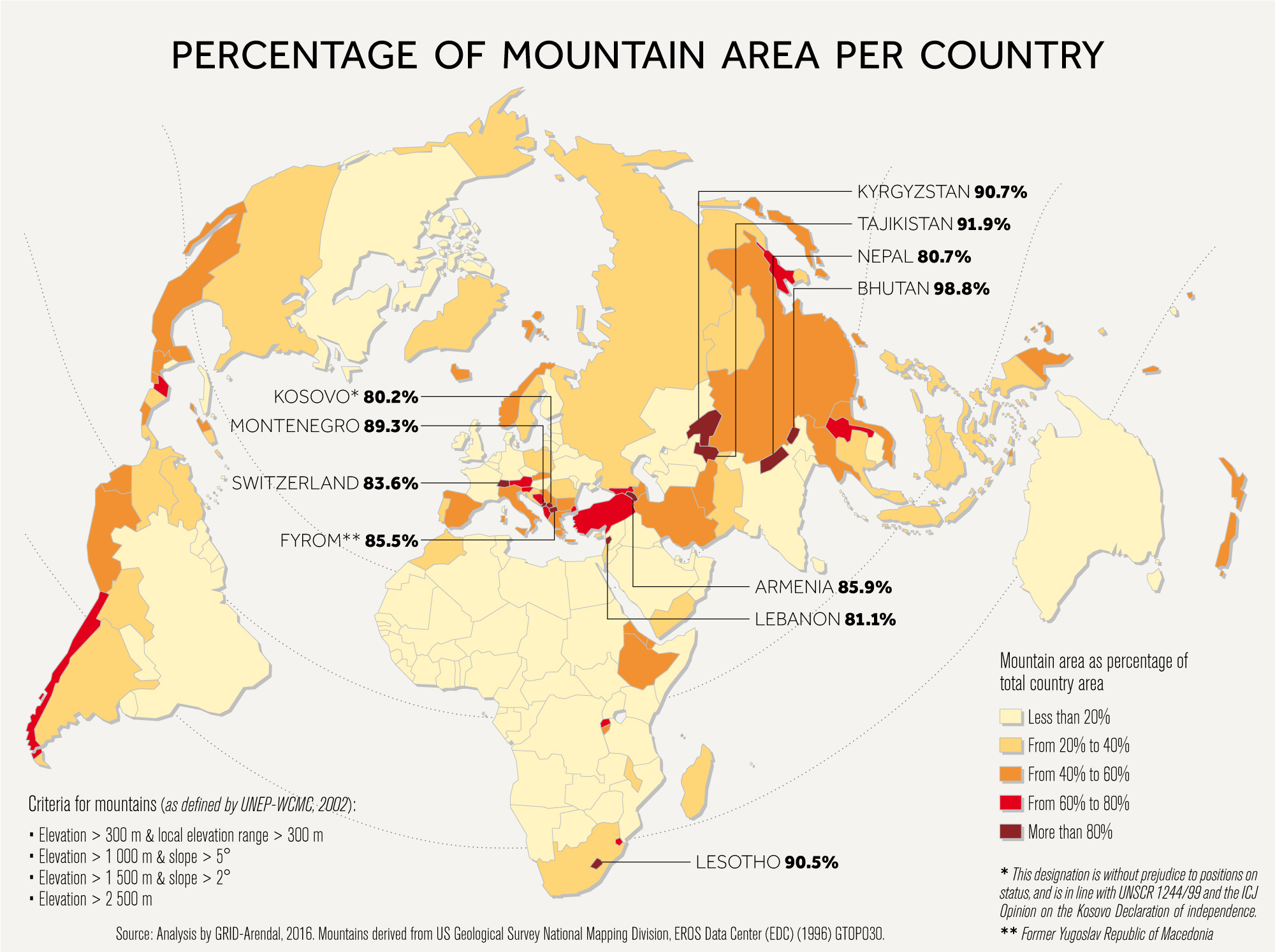
178. "Percentage of Mountain Area per Country (map)".
179. Natasha May Azarian (2007). "The Seeds of Memory: Narrative Renditions of the Armenian genocide Across Generations".
180. Rouben Paul Adalian (13 May 2010). "Historical Dictionary of Armenia". Scarecrow Press.
181. James Minahan (1998). "Miniature empires: a historical dictionary of the newly independent states". Greenwood Publishing Group.
182. "Environmental Performance Index". epi.envirocenter.yale.edu.
183. "Terms and Definitions FRA 2025 Forest Resources Assessment, Working Paper 194". Food and Agriculture Organization of the United Nations. 2023.
184. "Global Forest Resources Assessment 2020, Armenia". Food Agriculture Organization of the United Nations.
185. ""We have good reasons to boast economic growth in the coming years" – Karen Karapetyan Pleased with 2017 Indices in Kotayk Marz". www.gov.am.
186. "EU: Armenia nuclear plant should be shut down as soon as possible". news.am. 30 January 2018.
187. "Modernization to increase the capacity of Armenian nuclear power plant by 10%". arka.am. 13 February 2018.
188. "Armenian Nuclear Power Plant upgrading program to continue in 2018". armenpress.am.
189. "Fischer Weltalmanach 2019- Zahlen Daten Fakten". Fischer. 1 July 2018.
190. "Global Data | Fragile States Index". fragilestatesindex.org.
191. "Armenia 1995 (rev. 2005) Constitution". Constitute.
192. "Voter registration: Armenia". aceproject.org.
193. "Regional Administration Bodies". The Government of the Republic of Armenia.
194. "Armstat:Provinces, area and population".
195. (no text)
196. "Armenia invited as observer for Arab League". Azad Hye. 19 January 2005.
197. Leblanc, Daniel (9 October 2018). "Prime Minister Trudeau has last shot to help Michaëlle Jean stay on as Francophonie leader". Globe and Mail.
198. "Nagorno-Karabakh: The Crisis in the Caucasus". 3 November 2005.
199. "Armenia and Turkey sign peace deal".
200. Nona Mikhelidze (5 March 2010). "The Turkish-Armenian Rapprochement at the Deadlock". IAI Istituto Affari Internazionali.
201. "Protocol on the Establishment of Diplomatic Relations between the Republic of. Turkey and the Republic of Armenia". Ministry of Foreign Affairs of Turkey.
202. "Relations between Turkey and Armenia". Ministry of Foreign Affairs of Turkey.
203. Ghazanchyan, Siranush (22 February 2017). "Russian base 'Very important component' of Armenia's security – Defense Minister". Public Radio of Armenia.
204. "Ancestry Data". U.S. Census Bureau. 2006. The 2001 Canadian Census determined that there are 40,505 persons of Armenian ancestry currently living in Canada. However, these are liable to be low numbers, since people of mixed ancestry, very common in North America tend to be under-counted: the 1990 census US indicates 149,694 people who speak the Armenian language at home. "The Armenian Embassy in Canada". estimates 1 million ethnic Armenians in the US and 100,000 in Canada. The Armenian Church of America makes a similar estimate. By all accounts, over half of the Armenians in the United States live in California.
205. "European Parliament on the European Union's relations with the South Caucasus".
206. "RFE/RL Caucasus Report". Armenian Ministry of Foreign Affairs. 7 January 2005.
207. "Interview with RA National Assembly Speaker Artur Baghdasaryan". ArmInfo News Agency. 26 October 2005.
208. "Eurasian Economic Commission". www.eurasiancommission.org.
209. "ДОГОВОР О ПРИСОЕДИНЕНИИ РЕСПУБЛИКИ АРМЕНИЯ К ДОГОВОРУ О ЕВРАЗИЙСКОМ ЭКОНОМИЧЕСКОМ СОЮЗЕ ОТ 29 МАЯ 2014 ГОДА (Минск, 10 октября 2014 года)". www.customs-code.ru.
210. "Armenia To Join Russian-Led Customs Union". Radio Free Europe/Radio Liberty. 3 September 2013.
211. "New agreement signed between the European Union and Armenia set to bring tangible benefits to citizens". EEAS. European Commission. 24 November 2017.
212. "Joint Proposal for a Council Decision on the conclusion, on behalf of the European Union, of the Comprehensive and Enhanced Partnership Agreement between the European Union and the European Atomic Energy Community and their Member States, of the one part, and the Republic of Armenia, of the other part". EUR-Lex. 25 September 2017.
213. "EU and Armenia take stock on Comprehensive and Enhanced Partnership Agreement implementation". EU Neighbours. 18 December 2019.
214. Zahorka, Hans-Juergen. "How Armenia Could Approach the European Union". Europäisches Institut GmbH.
215. "EU launches negotiations on Association Agreements with Armenia, Azerbaijan and Georgia". Europa (web portal). 15 July 2010.
216. "Armenia-EU association agreement may be concluded shortly | Armenia News". News.am. 16 June 2010.
217. "3rd Plenary Round of the EU–Armenia Negotiation on the Association Agreement". Ec.europa.eu. 15 December 2010.
218. Gavin, Gabriel (23 February 2024). "Putin loses grip on member of his military alliance". Politico.eu.
219. "Pashinyan warns of potential de jure freeze of Armenia's activities in CSTO if the current process continues". Armenpress. 28 February 2024.
220. Leven, Denis (12 March 2024). "Armenia moves to expel Russian border guards from Yerevan's airport". Politico.eu.
221. "Armenia's bid for EU membership - Yerevan's shift away from Russia". trend.az. 2 March 2024.
222. "Will Armenia apply to become a candidate for EU membership in the coming days?". radar.am.
223. "Nikol Pashinyan Said That You Should Apply to Become a Candidate for EU Membership Before Autumn at the Latest". hraparak.am. 5 March 2024.
224. "Armenia mulling EU membership application, foreign minister says". politico.eu. 9 March 2024.
225. "Armenia is considering seeking EU membership, foreign minister says". euractiv.com. 10 March 2024.
226. "Armenia approves EU membership bid further straining ties with Russia". www.intellinews.com. 9 January 2025.
227. Armenian government approves bill to launch EU accession bid
228. "The retreat of global democracy stopped in 2018". The Economist. 8 January 2019.
229. "Armenia". freedomhouse.org. 31 January 2019.
230. "Armenia". freedomhouse.org.
231. "Armenia: A revolution live-streamed | Reporters without borders". RSF.
232. "Armenia improves positions in World Press Freedom Index by 19 points: Pashinyan confident in continuation of progress". armenpress.am. 18 April 2019.
233. "The Human Freedom Index 2023". Fraser Institute.
234. "Country Profiles".
235. "Human Freedom Index". Cato Institute.
236. "The Armenian Parliament ratified the Rome Statute. What was it necessary for?". 3 October 2023.
237. Demourian, Avet (19 October 2007). "Armenian Eyes, Ears on US Genocide Vote". The Washington Post.
238. Z. Lerman and A. Mirzakhanian, Private Agriculture in Armenia, Lexington Books, Lanham, MD, 2001.
239. Statistical Yearbook 2007 , Armenia National Statistical Service, Yerevan
240. "Country Trends". Global Footprint Network.
241. Lin, David; Hanscom, Laurel; Murthy, Adeline; Galli, Alessandro; Evans, Mikel; Neill, Evan; Mancini, MariaSerena; Martindill, Jon; Medouar, FatimeZahra (2018). "Ecological Footprint Accounting for Countries: Updates and Results of the National Footprint Accounts, 2012-2018". Resources.
242. Kiniry, Laura. "How Armenia Plans to Become the Next World-Class Hiking Destination".
243. "Unemployment Armenia". Armenian Statistical Service of Republic of Armenia.
244. "Index of Economic Freedom: Armenia". Heritage Organisation.
245. "The head of the Central Bank of Armenia hopes for economic growth at the end of the year by 13%". AKM EN. 20 October 2022.
246. "IMF slashes forecast for Armenian economic growth for 2022". www.intellinews.com. 18 March 2022.
247. Erocal, Deniz; Yegorov, Igor (2015). "Countries in the Black Sea basin. In: UNESCO Science Report: towards 2030". UNESCO.
248. "GII Innovation Ecosystems & Data Explorer 2025". WIPO.
249. Dutta, Soumitra; Lanvin, Bruno (2025). "Global Innovation Index 2025: Innovation at a Crossroads". World Intellectual Property Organization.
250. "5. ՍՈՑԻԱԼ-ԺՈՂՈՎՐԴԱԳՐԱԿԱՆ ՀԱՏՎԱԾ". ARMSTAT Statistical Committee of the Republic of Armenia.
251. "World Development Indicators – Google Public Data Explorer". www.google.com.
252. Paul, Amanda. "Armenia's disappearing population". TodaysZaman.
253. "World Development Indicators – Google Public Data Explorer". www.google.com.
254. Turay, Anna. "Tarihte Ermeniler". Bolsohays:Istanbul Armenians Like many other ethnicities Armenians in India too have played a role historically and had an impact historically. Today however the community has been reduced to about a hundred living in Calcutta..
255. "Jerusalem – The Old City: The Armenian Quarter". Jewish Virtual Library.
256. "San Lazzaro degli Armeni – Venice for Visitors". Europeforvisitors.com.
257. "Nagorno-Karabakh almost empty as most of population flees to Armenia". Radio France Internationale. 30 September 2023.
258. "Population in Nagorno-Karabakh 2007". National Statistical Service of Nagorno-Karabakh Republic.
259. Asatryan, Garnik; Arakelova, Victoria (2002). "The Ethnic Minorities of Armenia". Routledge., part of the OSCE
260. "The Main Results of RA Census 2022". ArmStat.
261. "The Transcaucasian Soviet Federation". Russian Review. The Russian Information Bureau. 15 December 1925.
262. The All-Union Population Census of 1989 . Demoscope.ru
263. "New Index Shows Least-, Most-Accepting Countries for Migrants". Gallup.com.
264. Charles Dowsett, E. Peters. Sayat'-Nova. An 18th-century Troubadour: a Biographical and Literary Study. Peeters Publishers, 1997 ISBN 90-6831-795-4; p. xv
265. "The South Caucasus Between The EU and the Eurasian Union". Caucasus Analytical Digest #51–52. Forschungsstelle Osteuropa, Bremen and Center for Security Studies, Zürich. 17 June 2013.
266. "Armenian Census 2011".
267. "Orthodox churches (Oriental) | World Council of Churches". www.oikoumene.org.
268. "Armenian Brotherhood Church of Yerevan".
269. "Armenian Evangelical Christian Baptist". Armbaplife.am.
270. "Despite poverty, Baptists prosper in Armenia". Biblical Recorder. Baptist State convention of North Carolina. 17 July 2004.
271. "Armenian Presbyterian Church to Commemorate 1700th Anniversary of Christianity in Armenia with Concert and Khachkar Dedication". The Armenian Reporter. 20 October 2001.
272. Lane, Christel (1978). "Christian religion in the Soviet Union: a sociological study". State univ. of New York P..
273. "The Ethnic Minorities of Armenia". 2002.
274. Bardi, Ariel Sophia (11 November 2019). "Inside the world's biggest Yazidi temple in Armenia". Al Jazeera.
275. Curtis, Glenn E. and Ronald G. Suny. "Education". Armenia: A Country Study . Library of Congress Federal Research Division (March 1994). This article incorporates text from this source, which is in the public domain.
276. "About us". araratbaccalaureate.am.
277. "The Araratian Baccalaureate: A guide for universities".
278. "Chart – World Development Indicators (Google Public Data Explorer)". www.google.com.
279. "Chart – World Development Indicators (Google Public Data Explorer)". www.google.com.
280. Badalian, Susan (13 May 2019). "Minister Cautious About Corruption in Healthcare". «Ազատ Եվրոպա/Ազատություն» Ռադիոկայան.
281. "Armenia's Basic Benefits Package and Universal Health Insurance Systems". 29 November 2021.
282. "Armenia to introduce free healthcare for the under-18s". 27 June 2019.
283. Crude rates are not age-adjusted.
284. "Chart – World Development Indicators (Google Public Data Explorer)". www.google.com.
285. "Chart – World Development Indicators (Google Public Data Explorer)". www.google.com.
286. "Chart – World Development Indicators (Google Public Data Explorer)". www.google.com.
287. "Arts of Armenia (Architecture)". armenianstudies.csufresno.edu.
288. "Legislation: National Assembly of Armenia". Parliament.am.
289. "2020 Press Freedom report". Reporters Without Borders. 14 October 2020.
290. Stefes, C.; Paturyan, Yevgenya J. (25 August 2021). "After the Revolution: State, Civil Society, and Democratization in Armenia and Georgia". Frontiers in Political Science.
291. "Concern about judicial harassment of Armenia's media" . Reporters Without Borders. 18 February 2020.
292. "About - Armenian Cinema".
293. Armenian Cinema 100, by Artsvi Bakhchinyan, Yerevan, 2012, pp. 111–112
294. Cowe, S. Peter (2000). Parlakian, Nishan (ed.). Modern Armenian drama : an anthology. New York: Columbia University Press. p. 131. ISBN 978-0231116305
295. Parlakian, Nishan (1 February 2001). "Modern Armenian Drama: An Anthology". Columbia University Press.
296. Tatiana Egorova. Soviet Film Music (Contemporary Music Studies). (London: Routledge, 1997), p. 54
297. "Armenia Diaspora Conference Official Site". 27 September 2007.
298. "Ambassadors in Sport?: Independent Armenia far below the glory of Soviet times on the pitch, mat". ArmeniaNow. 15 December 2006.
299. "Inter Milan sign Mkhitaryan on free transfer". BBC Sport.
300. "Martial arts of the world: en encyclopedia". ABC-CLIO. 2001.
301. "Armenia: the cleverest nation on earth". BBC World Service. 18 October 2009.
← previous 1 … 5 6
This page in Markdown → https://md.mova.elamur.ai/free/en/corpora/wikipedia/en/Armenia/page/6/