Tashkent · page 3
From Wikipedia, «Tashkent», revision of the 2026-09-01 dump, CC BY-SA 4.0. The trees and pragmatics of these pages, Mova's parse of that text, are CC BY-SA 4.0 too.
← previous 1 2 3
There has also been planning to make a new district named "New Tashkent", southeast of the center, which would resemble Saint-Petersburg in its architecture.[74]198
Before Tashkent was conquered by the Russian Empire, it was divided into four districts, or daha in Uzbek:199
In 1940 it had the following districts (Russian район):204
By 1981, these were reorganized into the following:[48]211
- Bektemir212
- Akmal-Ikramov (Uchtepa)213
- Khamza (Yashnobod)214
- Lenin (Mirobod)215
- Kuybishev (Mirzo Ulugbek)216
- Sergeli217
- Oktober (Shaykhontokhur)218
- Sobir Rakhimov (Olmazar)219
- Chilanzar220
- Frunze (Yakkasaray)221
- Kirov (Yunusabad)222
Landmarks
Although most of the ancient city was destroyed during the 1917 revolution and the 1966 earthquake, Tashkent has many museums and Soviet-era monuments:223
- Kukeldash Madrasah.224 Dating back to the reign of Abdullah Khan II (1557–1598), it is being restored by the provincial Religious Board of Mawarannahr Muslims.225 There is talk of making it into a museum, but it is currently being used as a madrasah.226
- Chorsu Bazaar, located near the Kukeldash Madrasah, is an open-air bazaar in the centre of the old town of Tashkent.227
- Hazrati Imam Complex includes several mosques, a shrine, and a library.228
- Center for Islamic Civilization, which holds the Samarkand Kufic Quran, one of the oldest extant Qurans in the world, which claims to be stained with the blood of the martyred third caliph Uthman ibn Affan.229 Looted from Samarkand as a war trophy in 1868 during the Russian conquest of Central Asia and taken to Saint Petersburg, it was repatriated to Tashkent in 1923 by the Bolsheviks.[55]230
- Qaffol Shoshi mausoleum, built in honour of Imam Abu Bakr Muhammad ibn Ali ibn Ismail al-Kaffal ash-Shashi.[75][76]231 The original tomb did not survive in its initial form.232 In its current state, the mausoleum was constructed in 1542 by the royal architect of the time, Gulyam Husayn.233 It is an asymmetrical domed portal mausoleum, known as a khanqah.[77]234
- Yunus Khan Mausoleum.235 It is a group of three 15th-century mausoleums, restored in the 19th century.236 The largest is the grave of Yunus Khan, grandfather of Mughal Empire founder Babur.237
- Palace of Prince Romanov.238 During the 19th century, Grand Duke Nikolai Konstantinovich, a first cousin of Alexander III of Russia, was banished to Tashkent for some shady deals involving the Russian Crown Jewels.239 His palace still survives in the centre of the city.240 Once a museum, it has since been appropriated by the Ministry of Foreign Affairs.241
- Alisher Navoi Opera and Ballet Theatre, built by the architect who also designed Lenin's Tomb in Moscow, Aleksey Shchusev, with the labour of Japanese prisoners of war during the Second World War.242 It hosts Russian ballet and opera.243
- Fine Arts Museum of Uzbekistan.244 It contains a major collection of art from the pre-Russian period, including Sogdian murals, Buddhist statues, and Zoroastrian art, along with a more modern collection of 19th- and 20th-century applied art, such as suzani embroidered hangings.245 Of more interest is the large collection of paintings "borrowed" from the Hermitage by Grand Duke Romanov to decorate his palace in exile in Tashkent, and never returned.246 Behind the museum is a small park containing the neglected graves of the Bolsheviks who died in the Russian Revolution of 1917 and during Osipov's treachery in 1919,[78] along with the first Uzbekistani President, Yuldosh Akhunbabayev.247
- Museum of Applied Arts.248 Housed in a traditional house originally commissioned for a wealthy tsarist diplomat, the house itself is the main attraction, rather than its collection of 19th- and 20th-century applied arts.249
- State Museum of History of Uzbekistan, the largest museum in the city.250 It is housed in the former Lenin Museum.251
- Amir Timur Museum, housed in a building with a brilliant blue dome and ornate interior.252 It houses exhibits on Timur and President Islam Karimov.253 To the south of the museum is Amir Timur Square, where there is a statue of Timur on horseback, surrounded by some of the finest gardens and fountains in the city.254
- Navoi Literary Museum, commemorating Uzbekistan's adopted literary hero, Alisher Navoi, with replica manuscripts, Islamic calligraphy, and 15th-century miniature paintings.255
- The Tashkent Metro is known for the extravagant design and architecture of its stations.256 Photography in the system was banned until 2018.[79]257
The Russian Orthodox church in Amir Timur Square, built in 1898, was demolished in 2009.258 The building had not been allowed to be used for religious purposes since the 1920s, due to the anti-religious campaign conducted across the former Soviet Union by the Bolshevik government in Moscow.259 During the Soviet period, the building was used for various non-religious purposes; after independence, it became a bank.260
Tashkent also has a Second World War memorial park and a Defender of the Motherland monument.[80][81]261
Education
Most important scientific institutions of Uzbekistan, such as the Academy of Sciences of Uzbekistan, are located in Tashkent.262 There are several universities and institutions of higher education:263
- Amity University in Tashkent264
- New Uzbekistan University265
- Tashkent State Pedagogical University266
- TEAM University267
- The Branch of the Russian State University of Oil and Gas (NRU) named after I.M.268 Gubkin269
- Tashkent Automobile and Road Construction Institute270
- Tashkent State Technical University271
- Tashkent Institute of Architecture and Construction272
- Tashkent Institute of Irrigation and Melioration273
- International Business School Kelajak Ilmi274
- Tashkent University of Information Technologies275
- Westminster International University in Tashkent276
- Turin Polytechnic University in Tashkent277
- National University of Uzbekistan278
- University of World Economy and Diplomacy279
- Tashkent State Economic University280
- Tashkent State Institute of Law281
- Tashkent Financial Institute282
- State Conservatory of Uzbekistan283
- Tashkent Pediatric Medical Institute284
- Tashkent State Medicine Academy285
- Tashkent State University of Oriental Studies286
- Tashkent Islamic University287
- British Management University in Tashkent288
- Management Development Institute of Singapore in Tashkent289
- Tashkent Institute of Textile and Light Industry290
- Tashkent Institute of Railway Transport Engineers291
- National Institute of Arts and Design named after Kamaleddin Bekhzod292
- Inha University Tashkent293
- Uzbekistan State University of World Languages294
- Central Asian University295
- Webster University in Tashkent296
- Tashkent Professional College of Information Technologies297
- Nordic International University298
Media
- Nine Uzbek language newspapers, four in English, and nine in Russian.299
- Several television and cable television facilities, including Tashkent Tower, the second tallest structure in Central Asia.300
- Moreover, Tashkent has digital broadcasting systems, which are unique in Central Asia.301
Transportation
Metro
The Tashkent Metro was opened in 1977 and was the first metro system in Central Asia.302 It consists of four lines, with 50 stations in total.303 In 2025, the metro carried 286.8 million passengers.[82]304 Each station is uniquely decorated, like an art exhibition, with elaborate mosaics, chandeliers, and historic or thematic designs.305
Buses
As of 2022, Tashkent's city bus network comprised 141 routes and a rolling stock of 1,248 buses, made up of electric, gas, and conventionally powered units.306 The purchase of 1,000 CNG-powered buses was facilitated by a US$210 million line of credit provided to the National Bank of Uzbekistan by China corpus.307
Additionally, the city is serviced by 751 privately owned minibuses, or marshrutki, which run on 72 extra routes.[83]308
The city's trolleybus system was shut down in April 2010.[84]309
Air
Tashkent International Airport is the largest and busiest airport in the country and serves as a major regional hub in Central Asia, connecting the city to destinations across Asia, Europe, and North America.310 It was named after Islam Karimov, the first president of independent Uzbekistan, in 2017.311 The airport served 8.7 million passengers in 2024.[85]312
Rail
Tram transport in the city was discontinued on 1 May 2016, with the stated reason being to ease car congestion on the city's roads.313
The Tashkent–Bukhara high-speed rail line is Uzbekistan's long-distance high-speed rail corridor, capable of covering the 600 km between the capital and Bukhara in under four hours, and reaching Samarkand in just over two hours.314 There is a lower-speed line which extends further, from Bukhara to Khiva.315 There are daily services in both directions along the route.316
As of April 2026, there are also daily international services from Tashkent to Almaty, twice-weekly services to Volgograd and Moscow corpus, and weekly services to Dushanbe corpus and Kazan.[86]317
Entertainment and shopping
There are several shopping malls in Tashkent.318 These include Tashkent City Mall, Next, and Samarqand Darvoza shopping malls.[87]319 Most of the malls, including Riviera and Compass, were built and are operated by the Tower Management Group.[88]320 This is part of the Orient Group of Companies.321
The capital's most established theatre is the Alisher Navoi Theater, which has regular ballet and opera performances.322 Ilkhom Theater, founded by Mark Weil in 1976, was the first independent theatre in the Soviet Union.323 The theatre still operates in Tashkent and is known for its historical reputation.324
Sport
Football is the most popular sport in Tashkent, with the most prominent football clubs being Pakhtakor Tashkent FK, FC Bunyodkor, and PFC Lokomotiv Tashkent, all three of which compete in the Uzbekistan Super League.325 Footballers Maksim Shatskikh, Peter Odemwingie, and Vasilis Hatzipanagis were born in the city.326 Humo Tashkent, a professional ice hockey team, was established in 2019 with the aim of joining the Kontinental Hockey League (KHL), a top-level Eurasian league, in the future.327 Humo joined the second-tier Supreme Hockey League (VHL) for the 2019–20 season.328 Humo play their games at the Humo Ice Dome; both the team and the arena derive their name from the mythical Huma bird.[89]329 Humo Tashkent was a member of the reformed Uzbekistan Ice Hockey League, which began play in February 2019.[90][91]330 Humo finished in first place at the end of the regular season.331 Cyclist Djamolidine Abdoujaparov was born in the city, while tennis player Denis Istomin was raised there.332 Akgul Amanmuradova and Iroda Tulyaganova are notable female tennis players from Tashkent.333 Gymnasts Alina Kabaeva and Israeli Olympian Alexander Shatilov were also born in the city.334 Former world champion and Israeli Olympic bronze medallist in the K-1 500 m sprint canoe event, Michael Kolganov, was also born in Tashkent.[92]335
In weightlifting, Uzbekistan won the heavyweight class at both the Rio[93] and Tokyo[93] Olympic Games.336 Tashkent hosted the 2021 Weightlifting World Championships.[94]337
Notable people
- Behzod Abduraimov, classical pianist338
- Nodirbek Abdusattorov, chess grandmaster339
- Turgun Alimatov, Uzbek classic music and shashmaqam player and composer340
- Natasha Alam, Uzbekistani–American actress and model341
- Abdulla Aripov, politician and Prime Minister of Uzbekistan342
- Lola Astanova, Russian-American pianist343
- Viktor Bryukhanov, director of Chernobyl Nuclear Power Plant344
- Sogdiana Fedorinskaya, singer and actress345
- Gʻafur Gʻulom, poet346
- Anwar Hanbaba, Chinese Uzbek educator and politician347
- Ravshan Irmatov, football referee348
- Helena Kagan, Israeli physician349
- Arthur Kaliyev, born in Tashkent raised in Staten Island, New York, American ice hockey player for the Los Angeles Kings of the NHL350
- Rustam Kasimdzhanov, chess player, former FIDE World Champion351
- Ruslan Salakhutdinov, a tatar AI researcher352
- Javokhir Sindarov (born 2005), chess grandmaster353
- Moshe Kaveh (born 1943), Israeli physicist and former President of Bar-Ilan University354
- Vladimir Kozlov, Ukrainian-American professional wrestler355
- Varvara Lepchenko, American professional tennis player356
- Olena Lytovchenko, writer357
- Naima Mahmudova Soviet Uzbek doctor and stateswoman (1928–2017)[95]358
- Tohir Malik, novelist359
- Boris Mavashev, Israeli seismologist360
- Alisher Mirzo, painter361
- Eson Kandov, singer and musician362
- Abdulla Qodiriy, writer363
- Mirjalol Qosimov, former player and head coach of the Uzbekistan national football team364
- Igor Povalyayev, former professional footballer365
- Svetlana Radzivil, high jumper366
- Artur Rozyyev, former Russian professional football player367
- Dilorom Saidaminova, composer368
- Tursunoy Saidazimova, singer369
- Shakhida Shaimardanova, composer370
- Iroda Tulyaganova, former tennis player371
- Alisher Usmanov, born in Chust, spent his childhood in Tashkent372
- Milana Vayntrub, American actress and comedian373
- Rita Volk, Uzbekistani–American actress374
- Hakim Karimovich Zaripov, circus performer375
- Farrukh Zokirov, singer376
- Zulfiya, writer and poet377
- Sodiq Safoyev, first deputy chairperson of the Senate of Uzbekistan's Parliament378
- Ali Hamroyev, actor, film director, screenwriter, and film producer379
- Abid Sadykov, organic chemist, academician, and politician380
- Behzod Hoshimov, academic381
- Umid Iskandarov, Uzbek actor382
- Ulugʻbek Qodirov, actor383
- Tohir Sodiroqov, singer384
- Alisher Uzoqov, actor385
- Zafar Khashimov (born 1968), Uzbekistani businessman386
- Abdukodir Khusanov, professional footballer387
- Majid Qodiri (1886-1938), Scholar388
Twin towns – sister cities
See also: List_of_twin_towns_and_sister_cities_in_Asia § Uzbekistan
Tashkent is twinned with:[96]389
- Ankara corpus, Turkey[97]390
- Ashgabat corpus, Turkmenistan[98]391
- Astana corpus, Kazakhstan[99]392
- Berlin corpus, Germany393
- Bishkek corpus, Kyrgyzstan394
- Cairo corpus, Egypt[100]395
- Dnipro, Ukraine396
- Kyiv corpus, Ukraine397
- Moscow corpus, Russia398
- Nagoya, Japan399
- Riga corpus, Latvia400
- Seattle, United States[101]401
- Seoul corpus, South Korea402
- Shanghai, China403
- Sverdlovsk, Ukraine404
See also
Further reading
See also: Timeline of Tashkent § Bibliography
Stronski, Paul, Tashkent: Forging a Soviet City, 1930–1966 (Pittsburgh, University of Pittsburgh Press, 2010).
Jeff Sahadeo, Russian Colonial Society in Tashkent, 1865–1923 (Bloomington, IN, Indiana University Press, 2010).
← previous 1 2 3
References
1. "Toshkent shahar statistika boshqarmasi" [Tashkent City Statistics Department].
2. (no text)
3. "Sub-national HDI – Area Database – Global Data Lab". hdi.globaldatalab.org.
4. /USalsotɑːʃˈkɛnt/
5. /tɒʃˈkɛnt/; Toshkent, تاشکند tɒʃˈkent
6. The city was historically known as Chach, Shash, or Binkat
7. Mullerson, Rein (4 April 2014). "Central Asia". Routledge.
8. "Urban and rural population by district". Tashkent City department of statistics.
9. Praying Through the 100 Gateway Cities of the 10/40 Window, ISBN 978-0-927-54580-8, p. 89.
10. Тухсинов, Дониёр (2024-10-12). "Uzbekistan's 2023 Progressive Rating Reveals Development Disparities Among Regions". kun.uz.
11. "Tashkent City is Top Contributor to GDP".
12. "Tashkent's Urban Development Strategy".
13. "Юбилей Ташкента. Такое бывает только раз в 2200 лет". Фергана – международное агентство новостей.
14. "Government of Uzbekistan approves master plan of Tashkent through 2045". Газета.uz. 2024-12-26.
15. Sachau, Edward C. Alberuni's India: an Account of the Religion. Philosophy, Literature, Geography, Chronology, Astronomy, Customs, Laws and Astrology of India about AD 1030, vol. 1 London: KEGAN PAUL, TRENCH, TRtJBNBR & CO. 1910. p.298.
16. Livshits, Vladimir (2007). "The Leader of the People of Chach in Sogdian Inscriptions" in Macuch, Maggi, & Sundermann (eds.) Iranian Languages and Texts from Iran and Turan. Ronald E. Emmerick Memorial Volume. p. 179
17. Ünal, Orçun (2022). "On *p- and Other Proto-Turkic Consonants" Sino-Platonic Papers, 325, pp. 45-46
18. Ibragimov, R (2021). "The Historical Development Stages of the Tashkent Oasis". Bulletin of Science and Practice.
19. Filanovich, Margarita Ivanovna (2010). "Древняя и средневековая история Ташкента в археологических источниках" [The History of Tashkent in Antiquity and the Middle Age from Archaeological Sources].
20. Juraboyevich, Yuldashev Jamol (2025). "From the History of the Exploration of the Tashkent Oasis". International Journal of Artificial Intelligence. American Academic Publishers.
21. Болелов, С. Б.. "Большая российская энциклопедия 2004-2017". Министерство Культуры Российской федерации.
22. Zadneprovsky, Y. A. (1994-06-01). "History of Civilizations of Central Asia Volume II". UNESCO publishing. Alt URL
23. Pulleyblank, Edwin G. "The Consonantal System of Old Chinese," Asia Major 9 (1963), p. 94.
24. Dean, Riaz (2022). "The Stone Tower: Ptolemy, the Silk Road, and a 2,000-Year-Old Riddle". Penguin Viking.
25. Dean, Riaz (2015). "The Location of Ptolemy's Stone Tower: the Case for Sulaiman-Too in Osh". The Silk Road.
26. Bichurin, 1950. v. II
27. Golden, P.B. An Introduction to the History of the Turkic Peoples. Series: Turcologica. Wiesbaden: Otto-Harrassowitz. 1992
28. Baratova L. S. Drevnetyurkskiye monety Sredney Azii VI—IKH vv. (tipologiya, ikonografiya, istoricheskaya interpretatsiya). Avtoreferat diss. kand. ist. nauk. — T., 1995, s.12
29. O. G. Bol'shakov. Istoriya Khalifata, t. 4: apogey i padeniye. — Moskva: «Vostochnaya literatura» RAN, 2010
30. Filanovich, M.I. Tashkent (zarozhdeniye i razvitiye goroda i gorodskoy kul'tury). Tashkent, 1983, p.188
31. Kochnev B. D., Numizmaticheskaya istoriya Karakhanidskogo kaganata (991—1209 gg.). Moskva «Sofiya», 2006, p.157,234
32. Fasikh Akhmad ibn Dzhalal ad-Din Mukhammad al-Khavafi. Fasikhov svod. Tashkent: Fan. 1980, p.114
33. Dobromyslov A. I., Tashkent v proshlom i nastoyashchem. Tashkent, 1912, p.9
34. Istoriya Tashkenta. Tashkent: Fan, 1988, p.70
35. Yudin V. P. Materialy po istorii kazakhskikh khanstv XV-XVIII vekov. (Izvlecheniya iz persidskikh i tyurkskikh sochineniy). — Alma-Ata : Nauka, 1969, p.174.
36. Ye. A. Davidovich, Korpus zolotykh i serebryanykh monet Sheybanidov. XVI vek. M., 1992
37. Burnasheva R. Z., Nekotoryye svedeniya o chekanke mednykh monet v Tashkente v XVI—XIX vv. Izvestiya Natsional'noy akademii nauk Kazakhstana, No. 1, 2007, p.153
38. "The Kazakh Khanate in the period of Yesim Khan in folklore resources (1598-1645)". Milli Folklor. January 2018.
39. "History of Civilizations of Central Asia,Volume V, UNESCO Publishing, page 97". unesdoc.unesco.org.
40. Istoriya Tashkenta (s drevneyshikh vremon do pobedy Fevral'skoy burzhuazno-demokraticheskoy revolyutsii) / Ziyayev KH. Z., Buryakov YU. V. Tashkent: «Fan», 1988
41. Istoriya Tashkenta (s drevneyshikh vremyon do pobedy Fevralskoy burzhuazno-demokraticheskoy revolyutsii) / Ziyayev Kh. Z., Buryakov Y.F. Tashkent: «Fan», 1988
42. Sula, Dorota (2017). "Pomoc Polakom – jeńcom w Imperium Rosyjskim w okresie I wojny światowej". Łambinowicki rocznik muzealny.
43. Jeff Sahadeo, Russian Colonial Society in Tashkent, Indiana University Press, 2007, p188
44. Rex A. Wade, The Russian Revolution, 1917, Cambridge University Press, 2005
45. Shirer, Robert (2000-09-07). "Johannes R. Becher 1891–1958". German Language and Literature Papers.
46. Allworth, Edward (1994). "Central Asia, 130 Years of Russian Dominance: A Historical Overview". Duke University Press.
47. ""Lal Bahadur Shashtri's death was not natural, claims his family"". Times of India. September 26, 2015.
48. Sadikov, A C; Akramob Z. M.; Bazarbaev, A.; Mirzlaev T.M.; Adilov S. R.; Baimukhamedov X. N. (1984). "Geographical Atlas of Tashkent (Ташкент Географический Атлас)".
49. Nurtaev Bakhtiar (1998). "Damage for buildings of different type". Institute of Geology and Geophysics, Academy of Sciences of Uzbekistan.
50. Сидорчик, Андрей (2021-04-26). "Сила миллионов сердец. Как советские люди возродили разрушенный Ташкент" [The Power of Millions of Hearts: How Soviet People Rebuilt the Destroyed Tashkent]. AiF.
51. "Good bye the Tashkent Public Garden!". Ferghana.Ru. 23 November 2009.
52. "Tashkent city".
53. "Fitch присвоило городу Ташкенту рейтинг "BB-", прогноз "Стабильный"" [Fitch assigned the city of Tashkent a "BB-" rating with a "Stable" outlook.]. www.fitchratings.com.
54. "Moscow News – World – Tashkent Touts Islamic University". Mnweekly.ru. 21 June 2007.
55. Shaheen, Harry; Arbuthnot, Mollie (17 April 2026). "A Soviet history of the Quran of Uthman, or decolonization Bolshevik-style". Journal of Global History.
56. "Uzbekistan doubles the number of tourists in 2018". Brussels Express. 23 November 2018.
57. "Uzbekistan announces ambition to become major tourist destination". Euractiv. 19 November 2018.
58. "Видеолекторий «Ферганы»: Изобретение телевидения и Борис Грабовский" [Video lecture series "Fergana": The invention of television and Boris Grabovsky]. Фергана.Ру.
59. K. Krull, The boy who invented TV: The story of Philo Farnsworth, 2014
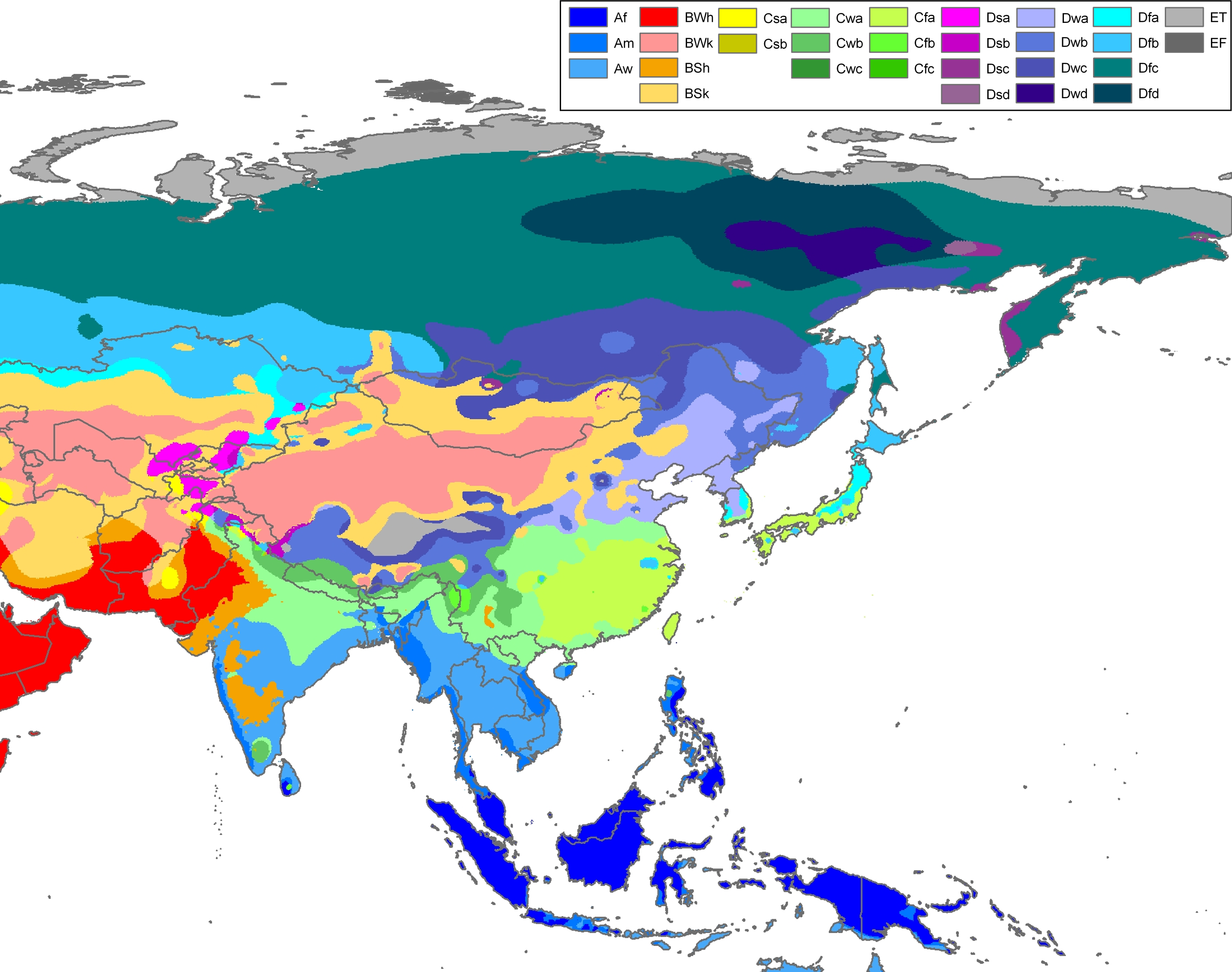
60. Updated Asian map of the Köppen climate classification system
61. Tashkent Travel. "Tashkent weather forecast".
62. Happy-Tellus.com. "Tashkent, Uzbekistan travel information". Infocenter International Ltd..
63. "Загрязнение воздуха в Ташкенте ежегодно приводит к более 3000 преждевременных смертей — доклад ВБ" [Air pollution in Tashkent causes more than 3,000 premature deaths annually — World Bank report]. www.gazeta.uz.
64. "«60% теплиц вокруг Ташкента жгут уголь и резиновые покрышки» — Экологическая партия" ["60% of the greenhouses around Tashkent burn coal and rubber tires" — Environmental Party]. Kun.uz.
65. "20 ноября 2025 г: Ташкент в числе самых загрязненных городов мира". www.iqair.com. 2025-11-20.
66. "Город". Хокимият города Ташкента (Tashkent city administration). June 2026.
67. "Опубликованы данные об этническом составе населения Узбекистана". Gazeta.uz. 20 August 2021.
68. "Uzbekistan: A second coming for the Russian language?". eurasianet.
69. "Uzbekistan: Dead Letter". Chalkboard. 23 July 2007.
70. "The Proud Greeks of Tashkent, Uzbekistan". Greek Reporter.
71. Kallos, Dimitri (16 May 2024). "The Greeks of Tashkent are a defining example of Hellenism, says Costas Politis". NEOS KOSMOS.
72. "Deputies approved the creation of Yangihayot district of Tashkent". Gazeta.uz. 9 September 2020.
73. "Districts". City of Tashkent.
74. "Новый Ташкент — город без ошибок прошлого: когда построят и что там появится" [New Tashkent – a city without the mistakes of the past: when will it be built and what will appear there?]. dvizhenie.ru.
75. ""KAFFAL ASH-SHOSHI MAQBARASI"". legacy.uz.
76. "Toshkentning asosiy ziyorat obyektlari bo'ylab sayyohlik marshruti" [Tourist route along the main sightseeing spots of Tashkent]. uzbekistan.travel.
77. "МА МАВЗОЛЕЙ АБУБЕКРА КАФФАЛЯ АШ-ШАШИ". www.centralasia-travel.com.
78. Smele, Jonathan D. (20 November 2015). "Historical Dictionary of the Russian Civil Wars, 1916–1926". Rowman & Littlefield.
79. "Inside Uzbekistan's beautiful, rarely-seen metro". National Geographic. 2 October 2018.
80. "Tashkent's central park is history". www.uznews.net.
81. "Ferghana.ru, МИД России указал послу Узбекистана на обеспокоенность «Наших»" [Ferghana.ru, The Russian Foreign Ministry expressed concern to the Ambassador of Uzbekistan about "Nashikh" (likely referring to a group or issue named "Our People").]. www.ferghana.ru.
82. "In 2025, more than 286 million passengers were transported by the metro". stat.uz.
83. "Encouraging the regional cooperation for the utilization of transport big data from smart transport systems". UNESCAP. 2022.
84. Sick_Spiny. "Ташкент прощается с троллейбусом. Комментарии : LiveInternet - Российский Сервис Онлайн-Дневников". www.liveinternet.ru.
85. Горячкин, Павел (2025-01-15). "Пассажиропоток аэропортов Узбекистана вырос на 30% - Kursiv Media Узбекистан". Kursiv Media Узбекистан - Kursiv Media Узбекистан – Деловой портал. Новости экономики и политики, бизнеса и финансов в Республике Узбекистан. Прогнозы и аналитика финансового мира..
86. "O'zbekiston Temir Yo'llari". eticket.railway.uz.
87. Usbekistan: Entlang der Seidenstraße nach Samarkand, Buchara und Chiwa ISBN 978-3-89794-390-2 p. 111
88. "В Ташкенте открылся новый ТРЦ Compass" [A new shopping mall, Compass, has opened in Tashkent.]. uznews.uz.
89. "Bird of Happiness – a symbol of the HC HUMO". 22 July 2019.
90. "Uzbekistan eyes to join International Ice Hockey Federation". 15 February 2019.
91. Zyryanov, Konstantin (2021-05-12). "vn138". vn138.ws.
92. "Sports-reference.com". Sports-reference.com. 24 October 1974.
93. "Results By Events Old BW".
94. "IWF World Championships". iwf.sport. 21 November 2021.
95. "Махмудова Наима Махмудовна" [Mahmudova Naima Mahmudovna]. Arboblar.uz.
96. "Ну, здравствуй, брат! Города-побратимы Ташкента" [Hello, brother! Twin cities of Tashkent]. vot.uz. The Voice of Tashkent. 2015-11-10.
97. "Ankaranın Kardeş Şehirleri". ankara.bel.tr. Ankara.
98. "Kostroma is looking for a twin city in Turkmenistan". orient.tm. Orient. 2020-07-15.
99. "Международный авторитет Астаны повышают города-побратимы". inform.kz. KazInform. 2016-07-06.
100. "Brotherhood & Friendship Agreements". cairo.gov.eg. Cairo.
101. Long, Priscilla (September 12, 1988). "Seattle-Tashkent Peace Park in Uzbekistan is dedicated in Tashkent and at Seattle Center on September 12, 1988.". HistoryLink.org.
← previous 1 2 3
This page in Markdown → https://md.mova.elamur.ai/free/en/corpora/wikipedia/en/Tashkent/page/3/